Owning A Black Panther in the US: What Truth, Culture, and Controversy Reveal About the Iconic Film
Owning A Black Panther in the US: What Truth, Culture, and Controversy Reveal About the Iconic Film
The 2018 release of *Black Panther*, directed by Ryan Coogler, was more than a blockbuster—it was a cultural watershed, redefining representation in superhero cinema and sparking national conversations about race, identity, and ownership in America. Now, for many Black Americans, owning an official copy of the film—more than just a piece of media—represents a profound connection to visibility, pride, and historical significance. Understanding the nuances behind owning *Black Panther* in the United States involves exploring cultural impact, consumer behavior, and deeper societal currents tied to Black excellence and artistic empowerment.
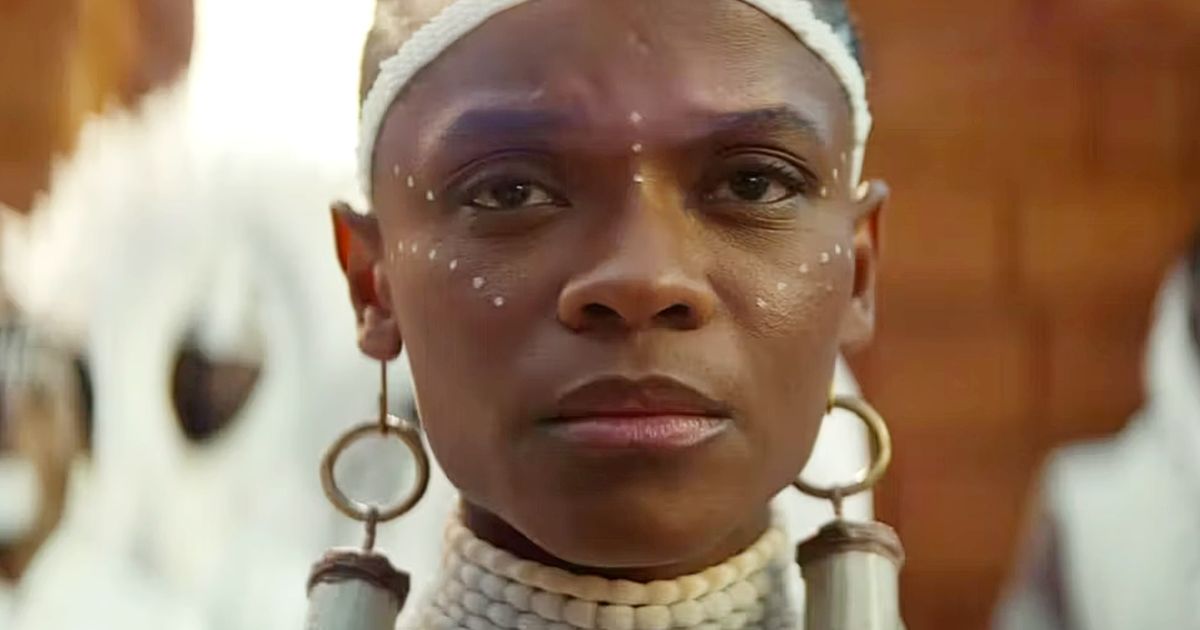
When *Black Panther* debuted, it was not only a critical and commercial triumph but a symbolic breakthrough: a Black-led superhero film centered on African heritage and futuristic pan-Africanism, produced by Marvel Studios with Chadwick Boseman’s commanding presence as king T’Challa. Its success—grossing over $1.3 billion worldwide and earning six Academy Award nominations, including Best Picture—signaled a seismic shift in Hollywood’s approach to marginalized voices. The demand that iconic scenes, iconic costumes, and especially the film itself become part of American households reflected not just fandom, but a desire for enduring cultural artifacts symbolizing progress.
The Cultural Resonance of a Black Superhero at Home
Owning *Black Panther* extends beyond entertainment; it functions as an act of cultural reclamation. For decades, Black representation in mainstream media was sparse, constrained by stereotypes or relegated to supporting roles. The arrival of *Black Panther* disrupted this pattern, offering a hero whose excellence stemmed from strength, wisdom, and heritage—qualities deeply tied to Black community pride.As film scholar Dr. Kimberlé Crenshaw noted, “When Black people see ourselves as powerful, clever, and sovereign on screen, it challenges the narratives that have historically diminished us.” This shift transformed the ownership of *Black Panther* into an affirmation of self-worth and historical continuity. - | Emotional Impact | Owning the film feels like claiming a portal to a world where Blackness is not only visible but celebrated as a source of global leadership.
- | Family Legacy | Many Black families now own *Black Panther* not just as media, but as heritage—something passed between generations like cherished traditions or family photographs. - | Educational Value | The film’s depictions of Wakanda inspire curiosity about African history and culture, prompting deeper exploration of real-world traditions and contemporary Black achievement. Retail data reflects this emotional investment: Black households show higher-than-average penetration rates for Marvel collectibles, with *Black Panther* frequently topping sales charts during release periods and anniversaries.
Platforms like Amazon and specialty stores report spikes in sales of T’Challa action figures, promotional posters, and replica vibranium swords—proof that fandom translates into tangible, meaningful ownership.
The decision to own *Black Panther* is thus informed by both sentiment and symbolic weight. It’s a tangible connection to a film that redefined possibility: where a Black hero leads a technologically advanced, self-determined nation rooted in ancestral wisdom.
In homes across the U.S., owning this movie is as much about claiming space in American popular culture as it is about personal joy and historical affirmation.
Ownership as Participation in a Broader Movement
The act of possessing *Black Panther* also connects to larger conversations about ownership—not only of media, but of identity and narrative control. For years, Black stories were often appropriated or misrepresented in global media; *Black Panther* reversed this dynamic by centering Black ownership of the story, its profit, and its legacy. Fans’ decision to purchase and display the film reflects participation in that movement—supporting Black creators like Chadwick Boseman, Ryan Coogler, and co-writer Joe Robert好的合作 who shaped a narrative free from Hollywood compromise.Moreover, the film’s global impact—set in the fictional, culturally rich nation of Wakanda—resonates deeply with African diasporic communities. Owning *Black Panther* becomes an embrace of pan-African unity, a celebration of Black excellence unbound by geography. Every poster hung, every scene replayed, becomes an assertion of pride in a world historically denied such affirmation.
From a practical standpoint, the market for *Black Panther* memorabilia is carefully curated. Limited editions, authentic props, and fan-sanctioned reproductions command premium prices, with some items fetching hundreds of dollars—especially those tied to pivotal moments, such as T’Challa’s coronation or Shuri’s innovations. Collectors and casual fans alike view these as investment pieces not merely in plastic and color, but in cultural significance.
Navigating Accessibility and Authenticity
Not everyone can easily obtain an original *Black Panther* film copy or high-value merchandise due to cost, availability, or distribution disparities—issues that highlight broader inequities in media access.However, digital platforms now provide wider reach: official streaming rights, fan-made compilations, and licensed digital downloads expand ownership options beyond physical media. Yet many owners still prefer tangible items—physical artifacts that anchor the film’s emotional and historical weight in daily life. < Blockquote — “Owning *Black Panther* isn’t just about owning a movie; it’s about owning a moment when Black joy, power, and innovation were celebrated on a global scale.”
Ultimately, owning *Black Panther* in the U.S.—whether through a sanctuary print, a collectible edition, or a digital archive—transcends passive fandom.
It becomes a conscious, persistent act of recognition: acknowledging a cinematic milestone that reshaped expectations, broadened storytelling horizons, and affirmed Black excellence as central to America’s evolving identity. In a world still grappling with representation and equity, the film’s legacy endures, and so do viewers who choose to hold it close—both on screen and in memory. This is ownership not defined by possession alone, but by participation in a powerful cultural narrative that continues to inspire, unite, and redefine what it means to see and be seen.


Related Post

Inside the World of the Painted Bird: Fascinating Facts Revealed in a Compelling Photogallery

From Swelter to Survive: How 40 Degrees Fahrenheit Transforms Climate Zones and Everyday Life

Cambrian: The Explosive Birth of Complex Life That Redefined Earth’s Biosphere