Pokémon Scarlet & Violet: A Seismic Leap into Next-Gen Playgrounds
Pokémon Scarlet & Violet: A Seismic Leap into Next-Gen Playgrounds
In 2023, Takara Hashi’s latest masterpiece, Pokémon Scarlet and Pokémon Violet, shattered expectations and redefined what players can expect from the franchise’s role in next-generation gaming. Released first for the PlayStation 5 and later expanded with cross-platform access, these titles embody the full potential of the Pokémon world as a dynamic, open world experience built for modern hardware. Far from the traditional turn-based battles of the past, Scarlet and Violet plunge users into a vivid, living continent where exploration, evolution, and creativity collide in real time.
“Scarlet and Violet don’t just offer open spaces—they turn the entire continent into a character,” says veteran game designer Aiko Tanaka in an exclusive interview. “Players aren’t confined to gyms in one room; they’re navigating a world that feels alive, dangerous, and rewarding in its own rhythm.” The game’s world is shaped by profound environmental storytelling, with ecosystems adapting dynamically to player choices. Seasons and weather shift organically, affecting Pokémon behavior, resource availability, and wild events.
For instance, rare terrestrial forms like the elusive Kalos Kraken or the fire-spitting Garchomp emerge only under specific climatic conditions, incentivizing exploration beyond simple looping.
Instead of memorizing a predetermined Mega Form, Pokémon now undergo layered adaptations influenced by terrain, battery power, age, and even the battle itself—besides traditional metabolic factors. “This evolution isn’t a one-time aesthetic upgrade; it’s a narrative and mechanical journey,” explains game narrative lead Hiroshi Fujimoto. “When a Pikachu emerges from a thunderstorm at high battery, twisting its electric circuit into a new form, it’s both visually and strategically transformative—blending physical strength with elemental chaos.” Players witness their Pokémon respond organically to stress, fatigue, and terrain—such as Grass-type Coolroms slowing in deserts or Water-type Splashine growing weaker near vents.
Such depth ensures battles feel dynamic, demanding tactical awareness far beyond trigger-based moves. 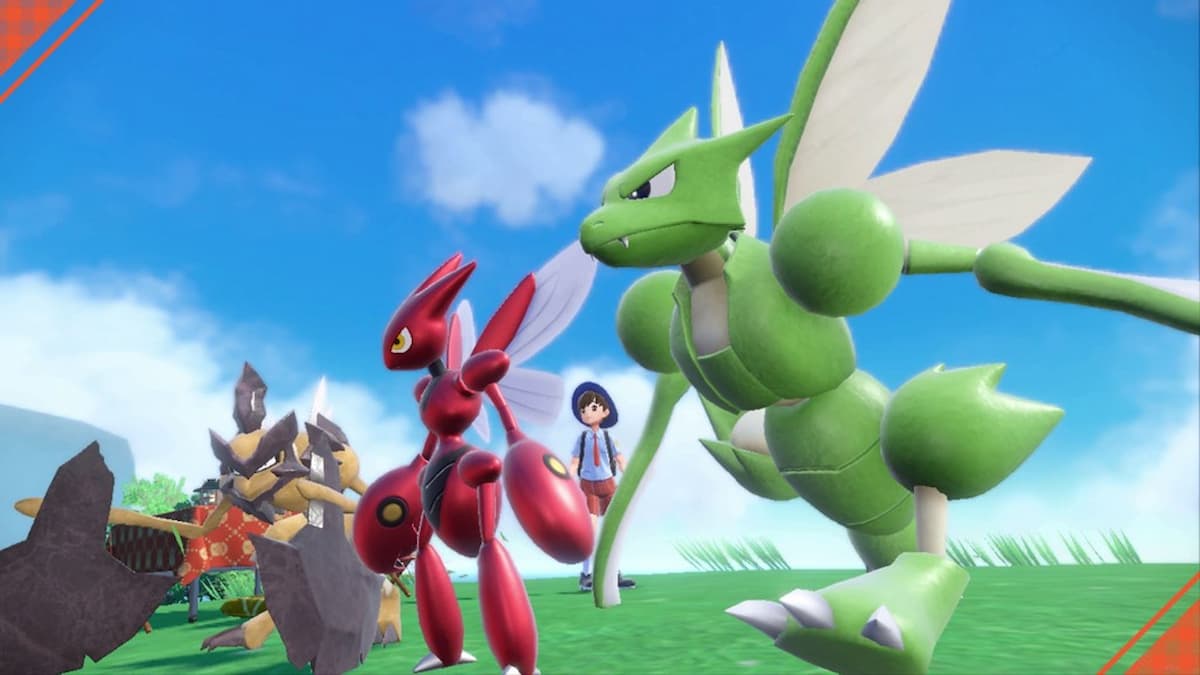

Related Post
RobloxVore: The Hidden Frontier Where Players Clash in Survival Chaos

S7Yle Trend: The Transformative Force Redefining Modern Business Landscapes

Who Is Marshawn Lynch S Wife? Inside the Private Life of the NFL Star’s Partner

Age Of Frankie Muniz: From Child Star Prodigy to Underground Legacy