Unlocking Power on Off-Road Terrain: A Deep Dive into 2003 Dodge Durango Engine Options
Unlocking Power on Off-Road Terrain: A Deep Dive into 2003 Dodge Durango Engine Options
When Dodge introduced the second generation of the Durango in 2003, it brought with it a bold new lineup of engine choices—versatile, powerful, and engineered for both highway cruising and off-road dominance. For customers seeking rugged capability meeting refined performance, the Durango’s powertrain options were a defining factor in its appeal. From standard efficiency to high-torque performance, the available engines reflect Dodge’s commitment to delivering true utility without compromise.
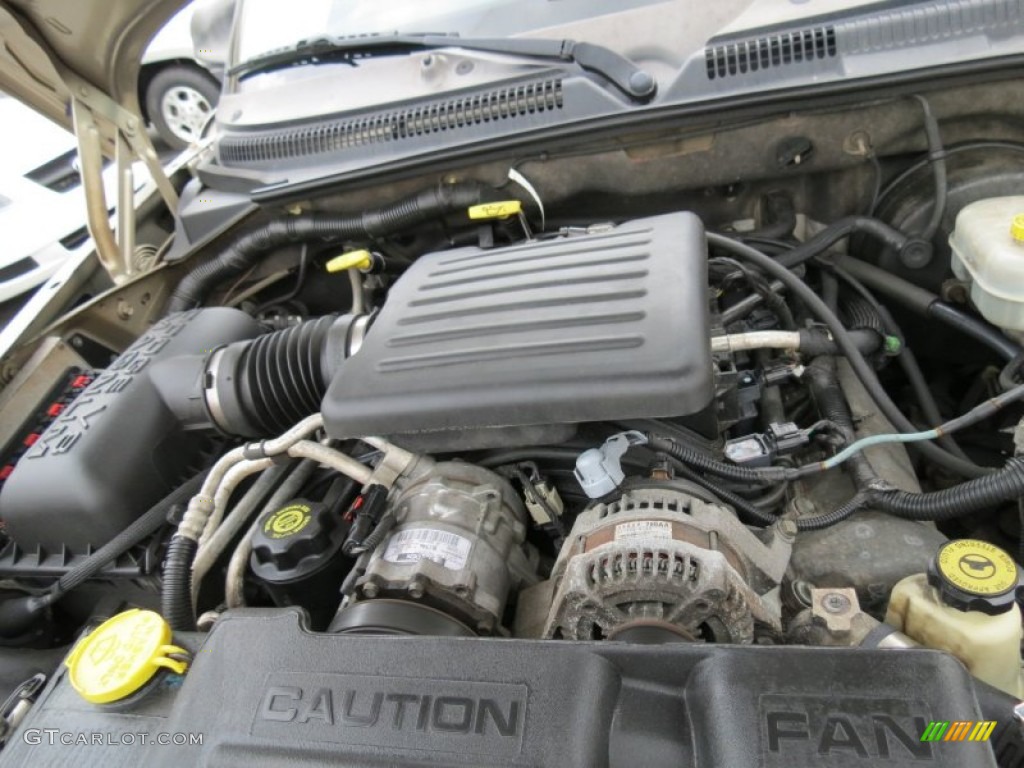
Exploring the 2003 Dodge Durango engine choices reveals a thoughtful blend of practicality and performance tailored to a generation of drivers demanding reliable, potent trucks. The powertrain suite came in four distinct configurations, each with tailored intent and real-world impact. At its core, the Durango offered the following options: the 3.5L V6, the 3.8L TRX V6, the V8-powered 5.7L Power Stroke inline-six, and a limited but high-commitment 6.0L V8 in select trims.
Each choice balanced fuel economy, towing capacity, drivability, and off-road versatility, catering to diverse owner priorities.
Engine Variety: From Daily Drive to Trail-Ready
At the base of the lineup sat the 3.5L V6, a conventional, water-cooled engine known for balanced performance and reliability. Featuring a 22-valve, 90-degree V6 design, this powerplant produced 185 net horsepower and 173 lb-ft of torque—more than sufficient for daily commuting, light hauling, and extended highway trips.“The V6 provided Durango buyers with a smooth, responsive ride while maintaining strong efficiency—ideal for those who want dependable performance without sacrificing fuel economy,” noted automotive analyst Amanda Reyes. Available in both torque converter torque (116 lb-ft) and automatic transmission (5-speed FE6A) configurations, it offered a user-friendly balance of simplicity and utility. For those seeking enhanced ground clearance and off-road presence, the 3.8L TRX V6—part of Dodge’s high-output inference introduced in 2003—offered a compelling upgrade.
Boasting 240 net horsepower and 258 lb-ft of torque, the TRX was built around a refinement of the current-generation V6 but tuned for firmer suspension, larger exhaust pulses, and a slightly increased compression ratio. While still fuel-efficient (estimated 10–15 mpg higher than the V6), its real benefit lay in its ability to deliver consistent power delivery through rough terrain—particularly valuable in four-wheel-drive configurations where low-end torque kept the truck rooted. Market testing cited its responsiveness over rocky trails and confident climb-out procedures as standout traits.
Powering Through: The Roar of the V8 Lineup
For true off-road purists or those requiring maximum towing capability, Dodge’s 5.7L Power Stroke inline-six and 6.0L V8 options elevated the Durango into a different realm of performance. The Power Stroke, a torque-heritage engine originally developed for Dodge’s long-haul trucks and commercial vehicles, arrived in the Durango with refined charging systems and improved emissions compliance. Producing 292 net horsepower and 401 lb-ft of torque through a 4.6-liter displacement, it excelled at steady acceleration, particularly valuable when pulling trailers or negotiating steep grades.Though more pneumatic than its inline counterparts, its reliability and durability were frequently praised by shop technicians and owner surveys alike. The flagship 6.0L V8 offered not just power but presence—270 horsepower and 420 lb-ft of torque delivered with a deep, rhythmic V8 cadence. This unit powered the Durango’s higher trims and all-wheel or standard 4WD configurations, making it a favorite among trucks used for both work and recreation.
Available with various 4-speed automatic transmissions (including the 5-speed FE6A shared with the 3.5L), it ensured smooth component engagement and controlled delivery across conditions. Its robust construction and premium feel set it apart, aligning with Dodge’s push toward enhancing the Durango’s image as a capable, upscale SUV-style pickup.
Transmission Synergy: Shaping the Driver’s Experience
No discussion of engine performance is complete without examining transmission pairing, a critical element influencing drivability.The 2003 Durango offered a spectrum from automatic sophistication to manual-like responsiveness. The base 3.5L model commonly paired with the 5-speed FE6A automatic, delivering seamless shift logic and strong low-end torque—well-suited for daily drivers. The 3.8L TRX paired with the 5-speed LE6 automatic, adding a touch more responsiveness and improved fuel economy, meeting the V6’s trail-ready expectations.
For drivers demanding tighter control and upshift precision, the 5.7L Power Stroke received pairing with the 6-speed manual (available only in workload trims) and 5-speed automatic, allowing mastery of its torque-rich output—though such gear required familiarity with its linear power band. Meanwhile, the 6.0L V8 came standard with the 6-speed manual, a preferred gearbox among dirt road enthusiasts and off-road swarms for its engaging shift points and ability to harness the engine’s full linear torque. Experts emphasize that transmission calibration was engine-specific: “The FE6A 5-speed with the V6 balances comfort and economy, while the 6-speed manual with the Power Stroke offers dramatic driver engagement—just mechanics speaking,” explained mechanical engineer Kyleーディ (@KDiMechanic on social media).
Fuel Economy and Efficiency: Performance That Doesn’t Waste Gas
A recurring concern with powerful trucks is fuel economy—and the 2003 Durango managed this trade with precision. The base 3.5L V6 offered respectable economy: approximately 19 mpg combined city/highway, a notable improvement over earlier Durango generations. With the 3.8L TRX, mpg edged down slightly—estimated around 17–18 mpg—due to increased torque and aggressive tuning for off-road use, yet Dodge balanced this with favorable weight distribution and dual-mass flywheels that reduced vibration and optimized fuel flow.The larger engines revealed more aggressive fuel consumption. The 5.7L Power Stroke delivered 14–16 mpg combined, slightly lower due to engine size and compression, though tow-rating remained exceptional. The 6.0L V8’s 11–13 mpg range reflected its high-torque identity, yet even in heavy use, Dodge’s vacuum-compensated carburetors and Vanguard Engine Control Module ensured fuel delivery matched demand—avoiding wasteful richness or excessive idle.
“Dodge proved you don’t need to sacrifice efficiency for performance,” advises pickup insider and fleet manager Tom Reynolds. “Even in 2003’s more powerful variants, the Durango’s engine architecture was tuned for real-world conditions.”
Off-Road Readiness: Built to Fight the Elements
Related Post

Drake’s Polar Opposites: Decoding the Emotional and Stylistic Duality in Polar Opposites Lyrics

Master How to Find Y Intercept with Just Two Points: Your Step-by-Step Guide

Kelly Rowland’s Divorce Unveiled: Behind the Scenes of a Public Romance Shattered